Turtle Events
Making Graphics Interactive
· 2 min read
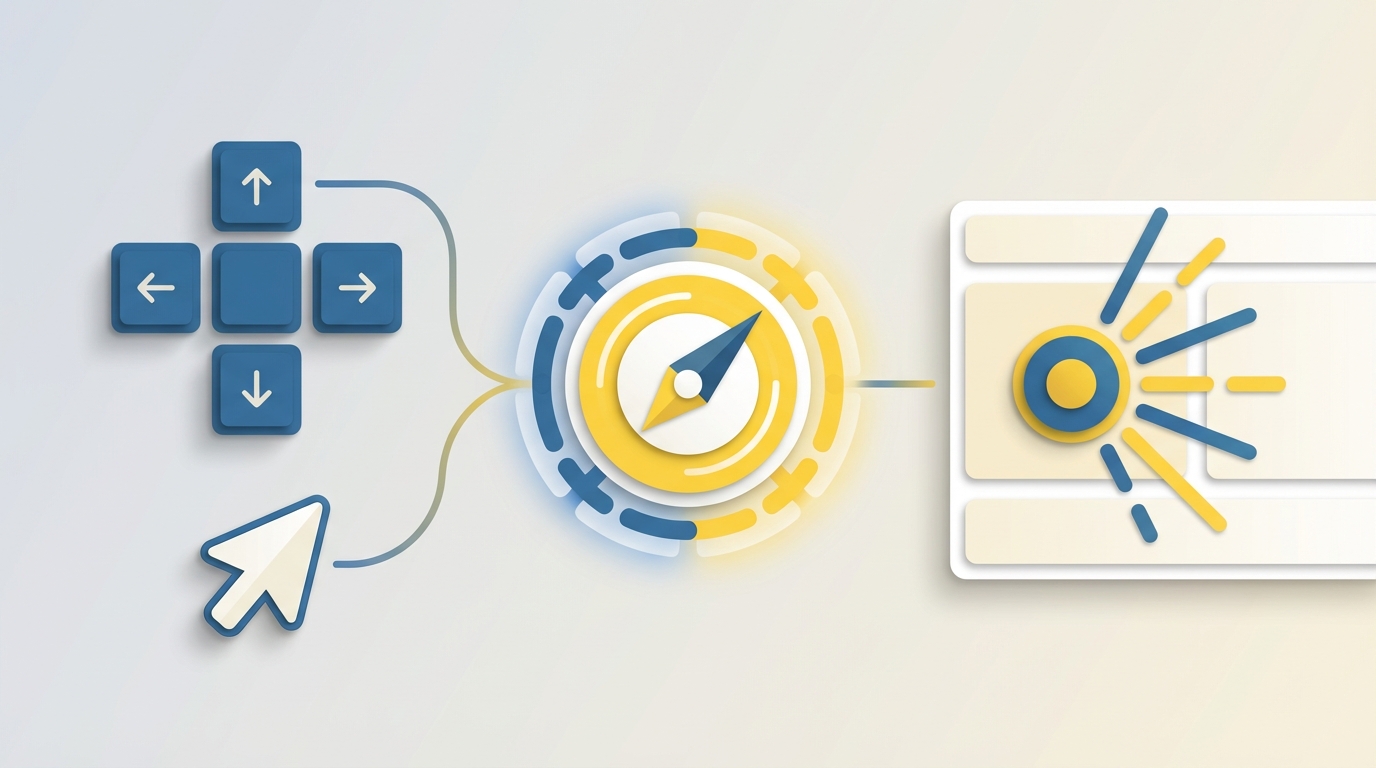
In the previous unit, we covered lambda functions. Now let's make our Turtle programs interactive. Events let your program respond to user input like key presses and mouse clicks.
Making Graphics Interactive
In the previous unit, we covered lambda functions. Now let's make our Turtle programs interactive. Events let your program respond to user input like key presses and mouse clicks.
Anonymous Functions in Python
In the previous unit, we defined functions with def. Python has another way to create functions: the lambda keyword. Lambda functions are small, anonymous functions that you can define in a single line.
Reusable Blocks of Code
In the previous unit, we used loops to repeat code. But what if you want to reuse the same block of code in different places? That's what functions are for. They let you define a block of code once and call it whenever you need it.
Repeating Code in Python
In the previous unit, we covered pattern matching with match-case. Now let's look at loops, which let you repeat code without writing it multiple times.
Pattern Matching in Python
In the previous unit, we used if, elif, and else to make decisions. Python 3.10 introduced a cleaner alternative for certain situations: the match-case statement. It's particularly useful when you're comparing one value against several possibilities.
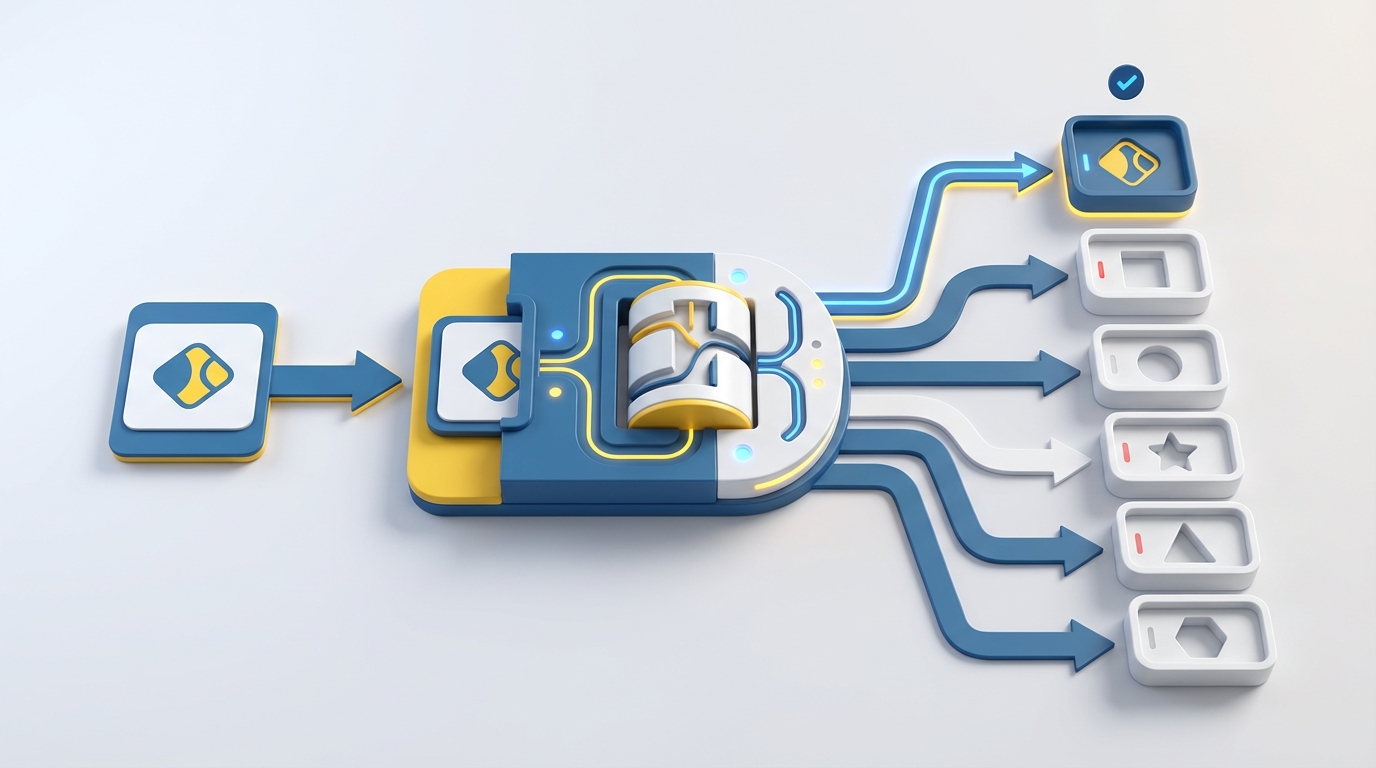
Making Your Code Choose
In the previous unit, we covered operators and boolean logic. Those comparisons that return True or False? Now we put them to work. Conditional statements let your program make decisions based on those boolean results.
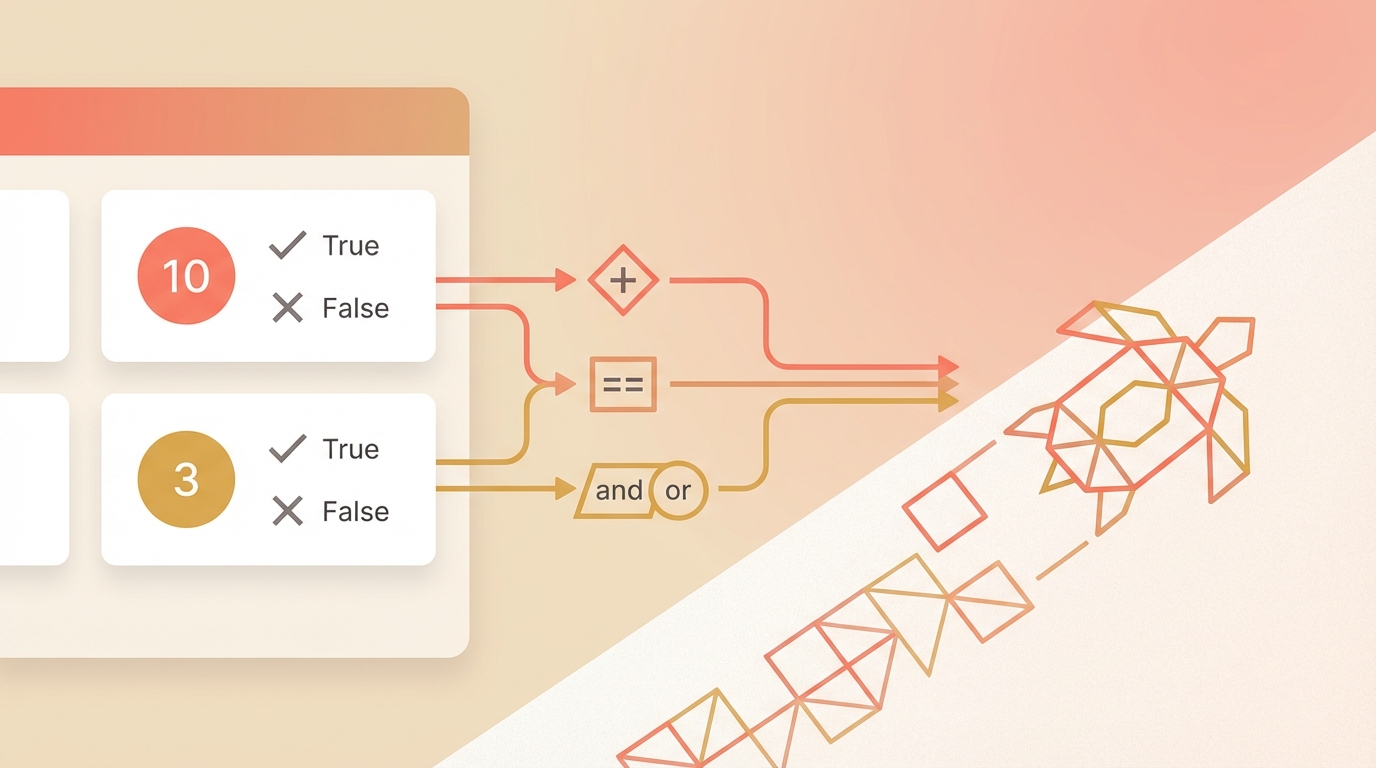
Making Decisions with Math and Logic
In the previous unit, we covered variables and data types. Now let's look at what you can actually do with those values. Operators are how Python performs calculations and makes comparisons. They're the verbs of programming.
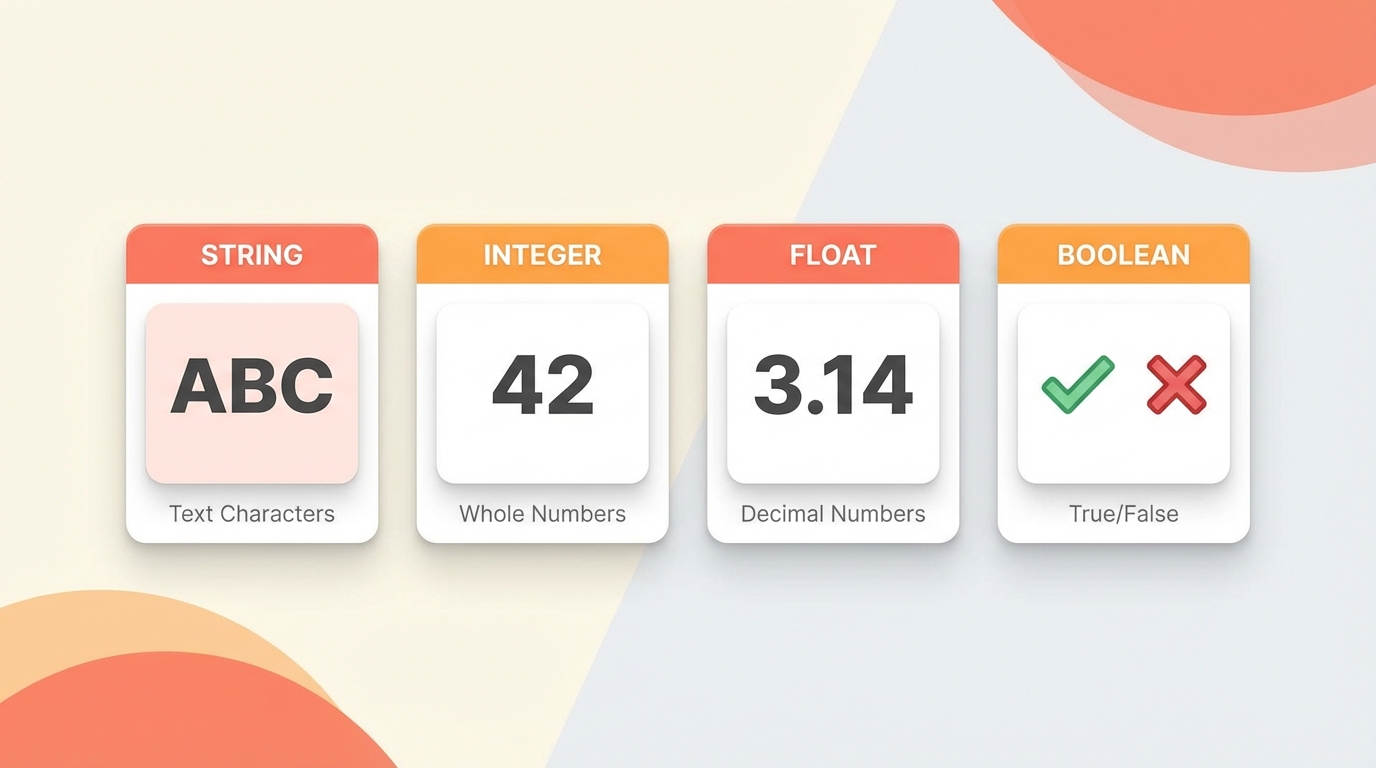
Storing Information in Python
In the previous unit, we set up Python and drew our first shapes with Turtle. Now it's time to understand how Python stores information. Variables and data types are the building blocks of every program you'll write.
Setting Up Your Environment and Drawing Your First Shape
This is the first unit in my Python tutorial series. We're starting with the absolute basics: what programming is, how to set up Python on your machine, and your first program. By the end, you'll have a little turtle drawing shapes on screen.