What Community Banks Are Actually Worried About
A Reality Check
I've spent time thinking about stablecoins, the Terra collapse, and the regulatory questions surrounding both. It gave me a better sense of where the industry might be headed and why regulators are taking a careful approach. But it also highlighted something I'd been noticing. The conversations happening around banking and the conversations happening inside a bank are very different.
The Real List
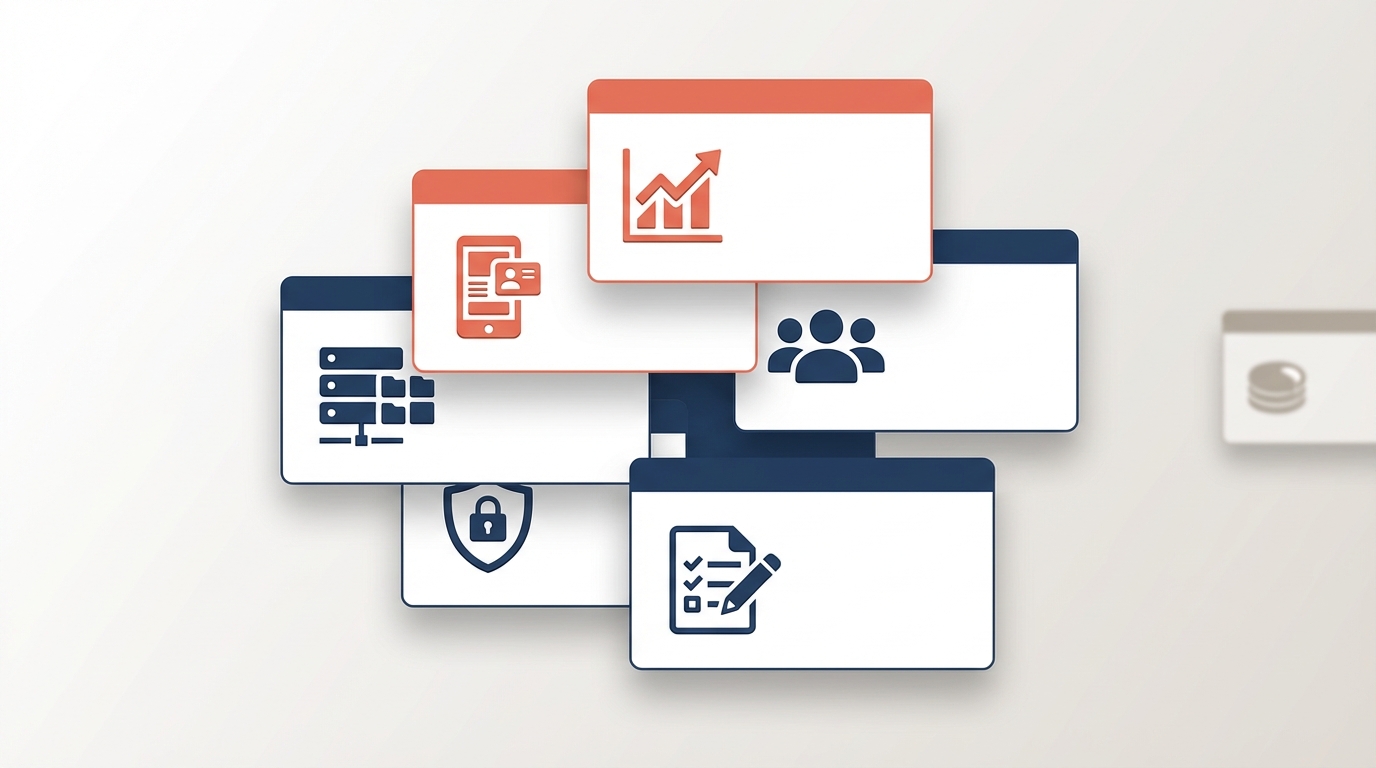
If I had to write down what actually occupies time and energy at a community bank, crypto wouldn't make the top ten. The list looks more like this. Core system modernization, finding and keeping technology talent, deposit competition, digital banking experience, cybersecurity, and regulatory compliance.
None of these are new. What makes them feel urgent right now is that they're all pressing at the same time.
Core Systems and Talent
The core banking platform sits at the center of everything. It holds the accounts, processes transactions, generates reports. What I didn't fully appreciate until I was inside a bank is how old some of these platforms are. Migration is expensive, disruptive, and risky. But staying put means being locked into a system that limits what's possible with data, digital products, and basically everything else.
The talent question is tangled up in this. Making progress on modernization requires people who understand both the technology and the business. I've seen how hard it is to find those people. In a smaller market, with a smaller budget, competing against fintechs and big banks for the same candidates, it's even harder.
Deposits and Rates
This is where the October 2022 context matters. The Fed has raised rates multiple times this year, and how quickly to adjust deposit rates is suddenly front and center. Big banks can afford to lag on rate adjustments because they have scale and brand loyalty. Fintechs are offering high-yield savings accounts that community banks can't easily match.
I'd never heard the term "deposit beta" before working in this world. It comes up constantly in current rate-environment conversations. It measures how much of a rate increase gets passed through to depositors. Too low and you lose deposits to competitors offering better rates. Too high and you compress your margin. The math is straightforward, but the judgment calls aren't.
Everything Else
The security conversations have gotten more serious. Phishing, business email compromise, account takeover, ransomware. Community banks don't have the security budgets of a JPMorgan, but they face many of the same threats. Examiners ask about it. Boards ask about it.
Regulatory compliance is its own layer of work. The same reporting requirements apply across institution sizes, which means a $500 million community bank does much of the same compliance work as a $50 billion regional one. Every new requirement means new processes and documentation, and the operational cost lands proportionally heavier on smaller institutions. That dynamic is part of what makes community bank operations distinctive.
And the digital experience gap is real. Clients expect to do everything on their phone. What was impressive three years ago is baseline now. Community banks often depend on their core provider or a fintech partner for digital channels, which means limited control over the experience they deliver.
The Actual Work
None of this is as exciting as stablecoins or blockchain. But this is what the work actually looks like at a community bank. Core modernization, deposit strategy, talent, security, compliance, digital experience. All at once, with limited resources, against competitors that have more of everything.
Understanding where the industry might head is part of the job. But the priorities that actually move the needle for a community bank are more about infrastructure, people, and clients than about any single technology trend.